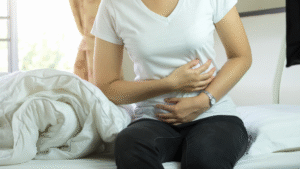
Few clinical challenges disrupt pelvic health as aggressively as deep dyspareunia caused by endometriosis. For individuals living with this chronic, estrogen-dependent inflammatory condition, intimacy frequently transitions from a source of connection into a source of physical dread. Penetration triggers a sharp, visceral ache that radiates through the pelvis, often lingering for hours or days afterward. These persistent sex problems slice through relationships, distort body image, and compromise fundamental quality of life.
When every intimate encounter results in an agonizing flare-up, the psychological toll deepens. You are forced to choose between physical suffering or emotional isolation. Standard advice—like using more lubrication or trying to relax—is entirely useless when dealing with dense, fibrotic tissue binding your pelvic organs together. The problem isn’t in your head; it is rooted in structural pathology and hyperactive biochemical pathways that require targeted, clinical intervention.
The path to relief relies on understanding the exact anatomical and inflammatory triggers within your pelvis, followed by gold-standard surgical eradication. Advanced laparoscopic excision surgery physically removes these disease lesions rather than just suppressing them. By dismantling the inflammatory cascades and freeing tethered organs, this specialized sex treatment breaks the cycle of chronic pain. It provides a definitive physiological reset, allowing you to reclaim your body and experience intimacy without fear.
The Inflammatory Biochemistry of Deep Dyspareunia
Deep dyspareunia—pain felt deep within the pelvis during penetration—is rarely a straightforward mechanical issue. In endometriosis, it is driven by a complex microenvironment of inflammatory cytokines, localized nerve proliferation, and anatomical distortion.
[Hormonal Surge (Estrogen Peaks)] ──► [Lesion Hyper-Activation]
│
▼
[Persistent Pelvic Pain] ◄── [Hyperalgesia] ◄── [Cytokine Cascade (IL-6, TNF-α)]
│
▼
[Deep Dyspareunia] ◄── [Nerve Tethering] ◄── [Fibrotic Adhesions / Organ Fixation]
During specific cycle phases, particularly the late follicular and luteal phases, rising estrogen levels cause endometriosis lesions to swell and bleed internally. This localized bleeding triggers a massive influx of pro-inflammatory cytokines, including Interleukin-6 (IL-6), Interleukin-1β, and Tumor Necrosis Factor-alpha (TNF-α). These biochemicals irritate the surrounding peritoneal lining, directly agitating the pelvic nerve plexus.
Over time, this chronic inflammatory state stimulates neuroangiogenesis—the growth of new, hyper-sensitive nerve fibers directly inside the lesions. When a lesion is located on the uterosacral ligaments, the pouch of Douglas, or the rectovaginal septum, mechanical impact during intercourse directly compresses these hyper-sensitive nerves. Furthermore, the recurrent cycle of inflammation and healing creates dense, fibrotic adhesions. These adhesions fuse pelvic organs together, locking the uterus, ovaries, and bowel into fixed positions. When intimacy forces movement upon these tethered organs, it stretches the fibrotic scar tissue, generating immediate, severe pain.
Why Laparoscopic Excision is the Definitive Sex Treatment
Managing complex gynecological pain requires a clear distinction between short-term suppression and long-term resolution. True optimization of sex health depends on selecting the right medical intervention.
| Clinical Feature | Ablation (Superficial Burning) | Laparoscopic Excision (Gold Standard) |
| Surgical Technique | Uses heat (laser or cautery) to destroy the visible surface of a lesion. | Methodically cuts out the entire lesion, including its deep, underlying root. |
| Inflammatory Eradication | Leaves the deep, cytokine-producing active tissue intact beneath the scar. | Completely removes the tissue driving local IL-6 and TNF-α production. |
| Adhesion Management | Does not adequately free deeply tethered pelvic organs or restore mobility. | Frees fixed organs, restores natural anatomical alignment, and removes fibrotic bands. |
| Dyspareunia Resolution Rate | High rate of pain recurrence, often within 6 to 12 months post-procedure. | Provides profound, long-term reduction in deep penetrative intercourse pain. |
| Impact on Sex Medicine | Temporary fix; patients often require ongoing, high-dose hormonal suppression. | Definitive physical reset; establishes a clean baseline for pelvic floor rehabilitation. |
Post-Excision Rehabilitation: A Multi-Disciplinary Roadmap
Clearing endometriosis lesions via excision surgery is a crucial victory, but achieving completely pain-free intimacy requires systematic post-operative rehabilitation. The pelvic nerves and muscles need to be retrained after months or years of guarding against pain.
1. Down-Regulating the Pelvic Floor
Years of chronic pelvic pain teach the levator ani muscles to perpetually contract in a defensive posture. This secondary hypertonicity can cause entry-level pain even after the deep endometriosis lesions are gone. Working with a specialized pelvic floor physical therapist is essential. Rehabilitation utilizes myofascial release, visceral mobilization, and biofeedback to train the pelvic muscles to drop into a fully relaxed, elongated baseline state.
2. Neuroplastic Desensitization
When a specific action consistently causes pain, the brain rewires itself to anticipate that pain, amplifying even neutral sensations into a threat response. Post-surgical recovery incorporates gradual, self-paced desensitization tools, such as medical-grade silicone dilators. This process is not meant to stretch the tissue, but rather to provide calm, controlled sensory input. It demonstrates to the central nervous system that penetration is now physically safe.
3. Cycle-Phased Anti-Inflammatory Support
To safeguard your surgical investment, managing your systemic inflammatory baseline is highly beneficial. Integrating targeted sex health support—such as a nutrient-dense omega-3 rich protocol, highly bioavailable curcumin, and specific antioxidant therapies—helps suppress residual peritoneal irritation. Tracking your cycle allows you to focus these anti-inflammatory strategies right before your personal peak pain windows, ensuring optimal comfort.
Positional and Medical Workarounds During Recovery
While your pelvic tissues heal post-surgery, implementing specific, evidence-based adjustments can protect your anatomy and sustain intimacy safely:
- Utilize Buffer Devices: Medical-grade depth-limiting rings worn externally can easily control penetrative depth, preventing mechanical impact against the healing rectovaginal space.
- Prioritize Angled Control: Transition to positions where the recovering partner dictates the depth, angle, and speed of entry, avoiding inadvertent stretching of the uterosacral ligaments.
- Optimize Natural Lubrication: Chronic inflammation and hormonal therapies can compromise vaginal moisture. Use high-viscosity, silicone-based or ultra-pure water-based lubricants free from irritating osmolites or fragrances.
- Apply Targeted Heat: Utilize localized pelvic heat therapy immediately before intimacy to increase tissue elasticity and encourage active pelvic floor muscle relaxation.
Frequently Asked Questions
How long should I wait to resume intimacy after endometriosis excision surgery?
Most pelvic surgeons recommend a strict pelvic rest period of at least 6 to 8 weeks following deep laparoscopic excision. This timeline is critical to allow the internal vaginal cuff, peritoneal incisions, and deep pelvic spaces to heal completely. Resuming penetration too early can disrupt internal sutures, introduce infection, or trigger severe muscular spasms that hinder long-term recovery. Always obtain clear, personalized clearance from your surgical team.
Can endometriosis return after a complete laparoscopic excision surgery?
Laparoscopic excision performed by a high-volume endometriosis specialist offers the lowest recurrence rate available in modern sex medicine. When a lesion is completely cut out at its root, that specific lesion does not return. However, if micro-endometriosis tissue was invisible at the time of surgery, or if new lesions develop, symptoms can occasionally re-emerge. True recurrence by a specialist is low, whereas superficial ablation carries a high rate of persistent pain.
Why do I still feel pain during intimacy even after my surgery was successful?
Persistent discomfort is typically caused by secondary pelvic floor muscle dysfunction or central nervous system sensitization. Your deep lesions may be gone, but your pelvic floor muscles might still be stuck in a chronic defensive spasm out of habit. Additionally, your pelvic nerves can remain hyper-reactive. This is why incorporating specialized pelvic floor physical therapy and somatic desensitization post-surgery is essential to complete your recovery.
What role does psychosexual counseling play after surgical excision?
Chronic illness alters how you view your body and intimacy. Emotional anxiety, fear of pain, and relationship strain do not automatically vanish the moment physical tissue is surgically removed. Psychosexual counseling bridges this gap. It helps you process medical trauma, dismantle internal anxiety surrounding intimacy, and rebuild clear, open communication with your partner as you safely explore your newly restored, pain-free physical baseline.
Reclaim Your Right to Pain-Free Intimacy
You do not have to accept chronic pelvic pain or a compromised relationship as an inevitable consequence of your diagnosis. Endometriosis is a formidable adversary, but it can be methodically dismantled through precise anatomical understanding and expert intervention.
Take the first definitive step toward lasting relief. Explore our comprehensive, interdisciplinary pelvic health programs at femalesexualhealth.in and request your specialized clinical consultation today to systematically eliminate pain and rebuild your intimate well-being.