
Health & Sexuality in Women: A Holistic View
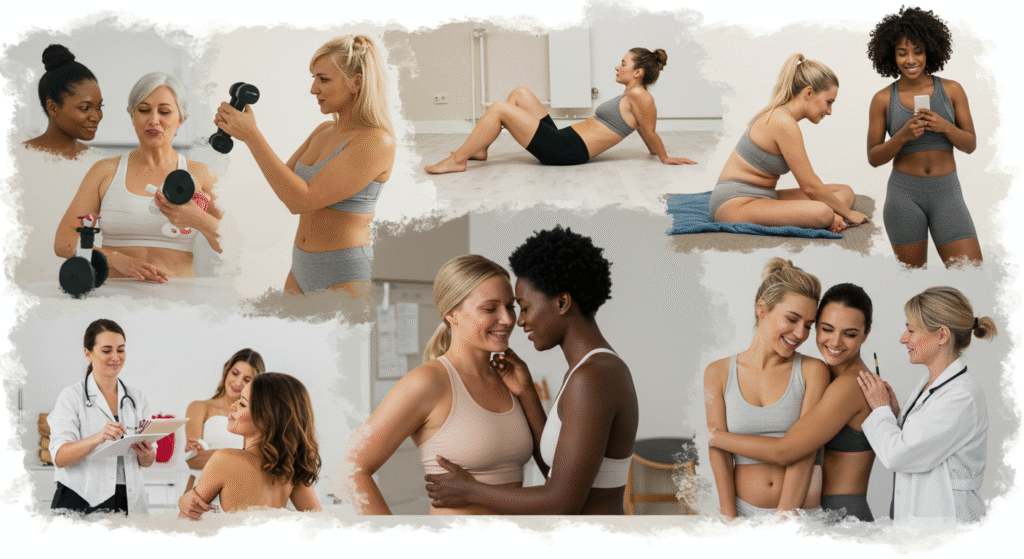
In a world that often compartmentalizes aspects of our well-being, it’s crucial to adopt a holistic perspective, especially when it comes to women’s health and sexuality. These two facets are not isolated but deeply intertwined, influencing and reflecting each other in profound ways. Understanding this connection is the first step towards achieving comprehensive wellness and a fulfilling life. This article delves into the various dimensions that shape a woman’s well-being, advocating for an integrated approach that addresses the physical, mental, emotional, and relational aspects of her existence.
The Interconnectedness of Female Health and Sexuality
A woman’s health and sexuality are like two sides of the same coin. When one is thriving, the other often flourishes; conversely, challenges in one area can significantly impact the other. A holistic view acknowledges that true well-being stems from a balance across multiple domains.
Physical Health: The Foundation
Physical health forms the bedrock of a woman’s vitality. This includes everything from cardiovascular fitness and metabolic health to pelvic floor strength and hormonal balance. Conditions like endometriosis, PCOS, thyroid disorders, or even chronic pain can dramatically affect a woman’s sexual desire, arousal, and comfort. Regular check-ups, a balanced diet, consistent exercise, and adequate sleep are not just general health advice; they are fundamental pillars supporting a vibrant sexual life.
Mental & Emotional Well-being: The Inner Landscape
The mind is a powerful component of sexual experience. Stress, anxiety, depression, body image issues, and past traumas can significantly dampen libido and impact a woman’s ability to connect intimately. Conversely, a healthy sex life can be a source of stress reduction, mood elevation, and emotional bonding. Nurturing mental and emotional well-being through mindfulness, therapy, or self-care practices is vital for fostering a healthy and expressive sexuality.
Hormonal Balance: A Key Player
Hormones play a pivotal role in regulating a woman’s physical and sexual functions. Fluctuations during menstruation, pregnancy, postpartum, and menopause can bring about significant changes in desire, lubrication, and comfort. Understanding these cycles and their impact on your health and sexuality is empowering. Seeking guidance for hormonal imbalances can be crucial for maintaining overall well-being and a satisfying intimate life. For more detailed insights, consider exploring our blog on Women’s Health & Sexuality.
Lifestyle Factors: Daily Choices, Lasting Impact
Our daily habits have a cumulative effect. Smoking, excessive alcohol consumption, poor nutrition, lack of physical activity, and insufficient sleep can all negatively impact energy levels, mood, and circulation, which are essential for both general health and sexual responsiveness. Adopting a healthy lifestyle is a proactive step towards enhancing both your physical vitality and your sexual well-being.
Common Challenges Affecting Women’s Health and Sexuality
Many women face specific challenges that can impede their holistic well-being. Addressing these head-on is key to reclaiming vitality.
Hormonal Fluctuations (Menopause, PCOS)
Conditions like perimenopause and menopause often bring symptoms such as vaginal dryness, hot flashes, and reduced libido. Polycystic Ovary Syndrome (PCOS) can cause hormonal imbalances leading to irregular periods, acne, and sometimes difficulties with conception, all of which can impact self-esteem and sexual health. Understanding these conditions and exploring treatment options is crucial.
Pelvic Floor Dysfunction
Issues with the pelvic floor, such as pain during intercourse (dyspareunia), incontinence, or prolapse, are surprisingly common but often undiscussed. These physical challenges can severely impact a woman’s comfort and desire for intimacy, affecting her overall health and sexuality.
Mental Health Conditions (Anxiety, Depression)
The prevalence of anxiety and depression among women is significant. These conditions, and sometimes the medications used to treat them, can directly lower libido and hinder sexual function. Addressing underlying mental health issues is a fundamental step towards improving sexual well-being.
Relationship Dynamics & Communication
Intimacy is profoundly shaped by relationship quality. Poor communication, unresolved conflicts, or a lack of emotional connection can lead to sexual dissatisfaction. Open and honest dialogue with a partner is paramount for a healthy sexual relationship.
Nurturing Your Holistic Health and Sexuality
Taking a proactive approach to your well-being involves understanding your body, mind, and relationships.
Seek Professional Guidance
Don’t hesitate to seek expert advice. Gynecologists, endocrinologists, therapists specializing in sexual health, and pelvic floor physiotherapists can offer tailored solutions for various concerns. Investing in your health means seeking the right support. Explore our services for personalized consultations and treatments that can empower your journey towards optimal health.
Embrace Mind-Body Practices
Practices such as yoga, meditation, and mindfulness can reduce stress, improve body awareness, and enhance overall well-being. These practices help women connect with their bodies and emotions, fostering a more profound sense of self and enhancing their intimate experiences.
Prioritize Open Communication
Engage in open and honest conversations with your partner about your desires, concerns, and needs. Good communication is the cornerstone of a fulfilling sexual relationship and strengthens emotional bonds.
Educate Yourself
Knowledge is power. Understanding your body, its cycles, and potential challenges empowers you to make informed decisions about your health. Continue to read and learn about various aspects of women’s health and sexuality to better advocate for yourself.
Conclusion: Empowering Your Journey
Embracing a holistic view of health and sexuality in women is not just about treating symptoms; it’s about fostering a comprehensive sense of well-being that permeates every aspect of life. By recognizing the intricate dance between our physical, mental, emotional, and relational states, women can cultivate a more vibrant, authentic, and fulfilling existence. Empower yourself to prioritize your entire self, seeking knowledge, support, and practices that honor the beautiful complexity of female wellness. Your journey towards holistic health is an ongoing one, filled with opportunities for growth, self-discovery, and profound joy.
Frequently Asked Questions About Women’s Health & Sexuality
How does stress impact female sexuality?
Chronic stress significantly impacts female sexuality by increasing cortisol levels, which can suppress sex hormones like estrogen and testosterone. This can lead to decreased libido, vaginal dryness, difficulty with arousal, and even pain during intercourse. Stress also contributes to fatigue and emotional distance, further affecting intimate connections.
What are common causes of low libido in women?
Low libido in women can stem from a variety of factors including hormonal imbalances (e.g., menopause, postpartum, thyroid issues), psychological factors (stress, depression, anxiety, body image issues), relationship problems (communication, unresolved conflicts), medical conditions (diabetes, heart disease), certain medications (antidepressants, blood pressure meds), and lifestyle choices (fatigue, poor diet).
How does menopause affect sexual health?
Menopause brings significant changes to sexual health primarily due to declining estrogen levels. This can cause vaginal dryness, thinning of vaginal tissues (vaginal atrophy), and decreased elasticity, leading to painful intercourse. Many women also report reduced libido, changes in body image, and difficulty with arousal and orgasm during this transitional phase.
Can diet and lifestyle choices affect a woman’s sexual health?
Absolutely. A healthy diet rich in nutrients supports overall hormonal balance and circulation, both crucial for sexual health. For example, omega-3 fatty acids can improve mood and reduce inflammation, while adequate hydration supports lubrication. Unhealthy lifestyle choices like smoking, excessive alcohol, lack of exercise, and poor sleep can negatively impact energy, mood, hormone levels, and circulation, all of which are detrimental to sexual well-being.
Where can I find support for improving my sexual health?
Support for improving sexual health can come from various professionals. Gynecologists can address physical concerns, hormonal imbalances, and provide medical treatments. Therapists specializing in sexual health can help with psychological and relationship factors. Pelvic floor physiotherapists are crucial for addressing pain or dysfunction. Additionally, connecting with a supportive community or educational resources, like our blog can provide valuable insights and guidance. For personalized assistance, consider exploring our comprehensive services.
What Our Readers Say
“This article brilliantly connects the dots between different aspects of women’s well-being. It’s empowering to understand that my physical and emotional health directly influence my sexuality. A truly holistic and insightful read!” – Sarah L.
About the Author
This article was crafted by a team of wellness experts dedicated to promoting comprehensive women’s health. With a background in integrative medicine and sexual health education, our mission is to provide accurate, empowering, and actionable insights to help women navigate their journey towards holistic well-being and a fulfilling life.


