Female Sex Drive: Understanding & Enhancing Your Intimacy

The intricate landscape of human sexuality is a vast and fascinating topic, and at its heart lies the often-misunderstood concept of female sex drive. Far from a simple switch, a woman’s desire for intimacy and sexual activity is a dynamic interplay of biological, psychological, emotional, and relational factors. Understanding and nurturing your female sex drive is a journey towards greater self-awareness, deeper connection, and enhanced overall well-being. This comprehensive guide will delve into what influences libido in women and provide actionable strategies for boosting your desire.
What Shapes Female Sex Drive? A Multifaceted Landscape
Unlike simplistic portrayals, a woman’s libido isn’t a constant. It ebbs and flows, influenced by a myriad of internal and external stimuli. Recognizing these factors is the first step towards understanding your own unique experience.
Biological & Hormonal Influences
- Hormones: Estrogen, progesterone, and testosterone (yes, women have it too!) play significant roles. Fluctuations during the menstrual cycle, pregnancy, postpartum, and menopause can dramatically impact desire.
- Health Conditions: Chronic illnesses, diabetes, heart disease, and neurological conditions can indirectly or directly affect libido.
- Medications: Certain antidepressants, birth control pills, and blood pressure medications are known to have side effects that include reduced sexual desire.
Psychological & Emotional Factors
- Stress & Anxiety: High levels of stress can divert energy away from sexual arousal, making intimacy feel like another chore.
- Depression: This mental health condition often correlates with a significant drop in libido, both due to the illness itself and its treatment.
- Body Image & Self-Esteem: Negative self-perception can hinder a woman’s ability to feel confident and desirable, impacting her openness to intimacy.
- Past Experiences: Trauma or negative sexual experiences can create lasting psychological barriers to desire.
Relationship Dynamics
- Communication: Open, honest communication with a partner about desires, boundaries, and needs is paramount for fostering intimacy.
- Emotional Connection: For many women, emotional intimacy is a prerequisite for physical desire. Feeling loved, supported, and understood can significantly boost libido.
- Conflict & Resentment: Unresolved issues or ongoing conflicts can create a rift that stifles sexual interest.
Lifestyle & Health Considerations
- Sleep: Chronic sleep deprivation can lead to fatigue, irritability, and a general lack of energy, all of which are detrimental to sexual desire.
- Diet & Exercise: A balanced diet and regular physical activity contribute to overall health, energy levels, and positive body image, indirectly supporting a healthy libido.
- Substance Use: Excessive alcohol consumption, smoking, and drug use can negatively impact sexual function and desire.
Recognizing Changes in Your Female Sex Drive
It’s normal for a woman’s libido to fluctuate over time. What might feel “low” today could be perfectly normal for your current life stage. The key is to notice significant, persistent changes that cause you distress or affect your relationship. If your previously robust female sex drive has dramatically declined and isn’t rebounding, it might be time to investigate further.
Practical Strategies to Enhance Your Female Sex Drive
Boosting your libido often involves a holistic approach, addressing various facets of your life. Here are some actionable steps you can take:
Cultivating Mind-Body Connection
- Mindfulness & Meditation: Practicing mindfulness can help reduce stress and bring you into the present moment, enhancing your ability to connect with your body and desires.
- Stress Reduction Techniques: Incorporate activities like yoga, deep breathing exercises, or spending time in nature to manage stress effectively.
- Sensory Exploration: Rediscover what feels good to you, both sexually and non-sexually. Pay attention to your body’s signals.
Nurturing Your Relationship
- Open Communication: Talk openly and honestly with your partner about your desires, concerns, and fantasies. This can foster a deeper connection and understanding.
- Quality Time: Dedicate time for non-sexual intimacy – dates, conversations, shared activities – to strengthen your emotional bond.
- Explore Newness: Routine can sometimes dampen desire. Introduce novelty into your sexual life. For more in-depth advice on reigniting intimacy, explore our blog post on Understanding & Reigniting Your Desire.
Optimizing Your Lifestyle
- Balanced Diet: Focus on whole, unprocessed foods. Some nutrients are linked to hormonal balance and energy.
- Regular Exercise: Boosts circulation, mood, energy, and body confidence.
- Adequate Sleep: Aim for 7-9 hours of quality sleep each night to allow your body to rejuvenate and regulate hormones.
- Limit Harmful Substances: Reduce alcohol intake and avoid smoking or recreational drugs.
Exploring Professional Support & Solutions
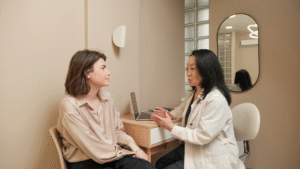
Sometimes, despite best efforts, a significant dip in female sex drive requires professional guidance. This isn’t a sign of failure but a proactive step towards well-being.
- Sex Therapy: A qualified sex therapist can help identify underlying issues, provide coping strategies, and offer guidance on communication and intimacy techniques.
- Medical Consultation: Consult your doctor to rule out any underlying medical conditions or medication side effects. They might suggest hormone therapy or other medical interventions if appropriate.
- Supplements & Holistic Approaches: While not a magic bullet, certain natural supplements, when used under professional guidance, might support hormonal balance and energy. To explore personalized solutions and professional support tailored to your unique needs, consider visiting our Services page.
Female Sex Drive: Your Questions Answered (FAQ)
Q1: What is considered a “normal” female sex drive?
A1: There’s no single “normal” libido. It varies significantly from person to person and throughout different life stages. What’s normal is what feels right and fulfilling for you. If you’re experiencing distress or a significant, unwanted change, that’s when it warrants attention.
Q2: Can diet really affect libido?
A2: Yes, indirectly. A balanced diet rich in whole foods, healthy fats, and vitamins supports overall health, energy levels, and hormonal balance, all of which can positively influence sexual desire. Conversely, a poor diet can lead to fatigue and general malaise, impacting libido.
Q3: When should I seek professional help for low female sex drive?
A3: You should consider seeking professional help if your low libido is persistent, causing you significant distress, affecting your relationship, or if you suspect an underlying medical or psychological cause. A doctor or sex therapist can offer guidance.
Q4: Are there natural remedies to boost libido?
A4: Many natural approaches can help, including stress reduction (mindfulness, yoga), regular exercise, adequate sleep, a healthy diet, and open communication with your partner. Some herbal supplements like Maca or Ginseng are often discussed, but their efficacy varies and should be discussed with a healthcare provider.
Q5: How does stress impact sexual desire?
A5: Stress releases cortisol, a hormone that can suppress sex hormones. Chronic stress also drains energy, reduces emotional availability, and can lead to anxiety, all of which are detrimental to sexual arousal and desire. Managing stress is crucial for a healthy libido.
Conclusion: Embracing Your Sexual Well-being
Understanding and enhancing your female sex drive is an empowering journey that contributes significantly to your overall quality of life. By addressing the biological, psychological, relational, and lifestyle factors at play, you can cultivate a more fulfilling and vibrant sexual experience. Remember, your desire is unique, and taking proactive steps to understand and nurture it is a powerful act of self-care. Don’t hesitate to seek professional guidance when needed, as there are many resources available to support your sexual well-being.
“This article completely changed my perspective on my own sex drive! The detailed breakdown of factors and the practical tips are incredibly helpful. It’s empowering to know I’m not alone and there are steps I can take.”