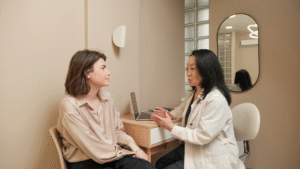

Understanding Women’s Sexual Health: A Holistic View
Sexual health for women is a multifaceted concept. It includes the ability to experience pleasure, intimacy, and satisfaction in sexual encounters, free from pain, fear, or dysfunction. It’s about respecting one’s body, making informed choices, and having access to care when needed. Ignoring aspects of your sex health can lead to significant distress, impacting relationships, self-esteem, and general quality of life.
Key Components of Female Sexual Health
- Physical Health: Encompasses reproductive organs, hormonal balance, absence of STIs, and pelvic floor integrity.
- Emotional Well-being: Feelings of self-worth, body image, and emotional connection in relationships.
- Mental Health: Stress, anxiety, depression, and past traumas can significantly impact sexual desire and function.
- Social and Relational Aspects: Communication with partners, cultural influences, and societal expectations.
Common Challenges in Women’s Sexual Health
Women often encounter unique sexual health challenges. These can range from physiological issues to psychological barriers, and understanding them is the first step towards finding solutions.
- Low libido or decreased sexual desire.
- Pain during intercourse (dyspareunia).
- Difficulty achieving orgasm.
- Vaginal dryness.
- Body image concerns and self-consciousness.
- Impact of pregnancy, childbirth, and menopause.
- Communicating needs and desires to a partner.
Conditions Affecting Female Sexual Health
Several conditions can directly impact a woman’s sexual health and enjoyment. Recognizing the signs and seeking appropriate care is paramount.
Hormonal Imbalances
Hormones play a critical role in female sexual function. Fluctuations due to menstruation, pregnancy, breastfeeding, or menopause can lead to changes in libido, vaginal lubrication, and overall sexual response. Conditions like Polycystic Ovary Syndrome (PCOS) can also affect hormone levels and contribute to sexual health concerns.
Infections and STIs
Vaginal infections (e.g., yeast infections, bacterial vaginosis) and sexually transmitted infections (STIs) can cause discomfort, pain, and impact sexual activity. Regular screening and prompt treatment are essential for maintaining good sex health and preventing long-term complications.
Pelvic Floor Dysfunction
The pelvic floor muscles support the bladder, uterus, and bowels. Weakness or tightness in these muscles can lead to issues like urinary incontinence, pelvic pain, and painful intercourse. Pelvic floor physical therapy can be highly effective in addressing these concerns.
Psychological Factors
The mind-body connection is incredibly powerful when it comes to sexuality. Stress, anxiety, depression, relationship problems, and past sexual trauma can significantly dampen desire and arousal. Addressing these underlying psychological factors is often crucial for improving sexual well-being.
Maintaining Optimal Sexual Health: Your Action Plan
Prioritizing proactive measures for your sex health is key. Here’s how you can take charge:
Regular Check-ups & Screenings
Consistent visits to a gynecologist are vital. They can provide screenings for STIs, perform cervical cancer screenings (Pap tests), and discuss any concerns you have about your sexual function, contraception, or hormonal changes. Don’t hesitate to schedule a consultation with our experts for personalized advice and care.
Healthy Lifestyle Choices
- Balanced Diet: Nutritious food supports overall health, including hormonal balance and energy levels.
- Regular Exercise: Improves circulation, boosts mood, reduces stress, and enhances body image.
- Stress Management: Practices like yoga, meditation, or therapy can alleviate stress that impacts libido.
- Adequate Sleep: Rest is essential for hormonal regulation and overall vitality.
- Avoid Smoking & Excessive Alcohol: These can negatively affect circulation and hormonal balance.
Communication & Relationships
Open and honest communication with your partner(s) about desires, boundaries, and concerns is fundamental to a healthy sexual relationship. Seeking couples counseling can also be beneficial if communication becomes a barrier.
Seeking Professional Help
If you’re experiencing persistent sexual health concerns, don’t suffer in silence. Professionals specializing in sexual health, such as gynecologists, sex therapists, or pelvic floor physical therapists, can offer solutions. Our team provides comprehensive sexual health services tailored to women’s needs.
Empowering Your Sexual Well-being
Taking control of your sexual health journey is an act of self-care and empowerment. Educating yourself, advocating for your needs, and seeking support are all steps toward a more fulfilling sexual life. Remember, you’re not alone, and help is available.
For more in-depth articles and resources on specific aspects of female sexual health, explore our blog: Read More on Women’s Sexual Health.
Frequently Asked Questions About Women’s Sexual Health
What is considered “normal” female sexual function? ▼
There’s a wide range of “normal.” Generally, it involves having the capacity for arousal, desire, orgasm, and pleasure, without pain or distress. However, what feels normal and satisfying is highly individual and can change throughout a woman’s life. The most important thing is that you feel comfortable and fulfilled in your own sexuality.
How do hormones affect my sexual desire (libido)? ▼
Hormones like estrogen, progesterone, and testosterone play significant roles in libido and sexual response. Estrogen levels, for instance, affect vaginal lubrication and tissue elasticity. Fluctuations during menstrual cycles, pregnancy, breastfeeding, or menopause can lead to noticeable changes in sexual desire and comfort. Low testosterone, while often associated with men, can also contribute to low libido in women.
When should I see a doctor about sexual health concerns? ▼
You should see a doctor if you experience persistent pain during sex, sudden or chronic loss of desire, difficulty with arousal or orgasm, unusual vaginal discharge or itching, unexplained bleeding, or any other concern that causes you distress or affects your quality of life. It’s always best to get professional advice rather than self-diagnose.
Can stress and anxiety impact my sexual health? ▼
Absolutely. Stress and anxiety are major contributors to sexual dysfunction in women. They can increase cortisol levels, which can suppress libido, interfere with arousal, and make it difficult to relax and enjoy sexual activity. Addressing mental health through therapy, mindfulness, or stress-reduction techniques can often significantly improve sexual well-being.
Are there natural ways to improve my libido? ▼
While natural approaches aren’t a substitute for medical advice, many women find them helpful. These include maintaining a healthy lifestyle (diet, exercise, sleep), stress reduction, improving communication with a partner, exploring new forms of intimacy, and trying certain adaptogenic herbs (always consult a doctor before taking supplements). Addressing underlying emotional or psychological issues is also crucial.
Conclusion: Take Charge of Your Sexual Health Today
Sexual health for women is an intricate and essential part of life. By understanding the various factors that influence it, acknowledging challenges, and actively seeking solutions, you can achieve a more fulfilling and empowered existence. Don’t let shame or misinformation prevent you from addressing your needs. Take charge of your sex health by staying informed, making healthy choices, and connecting with trusted healthcare professionals. Your well-being is worth it.